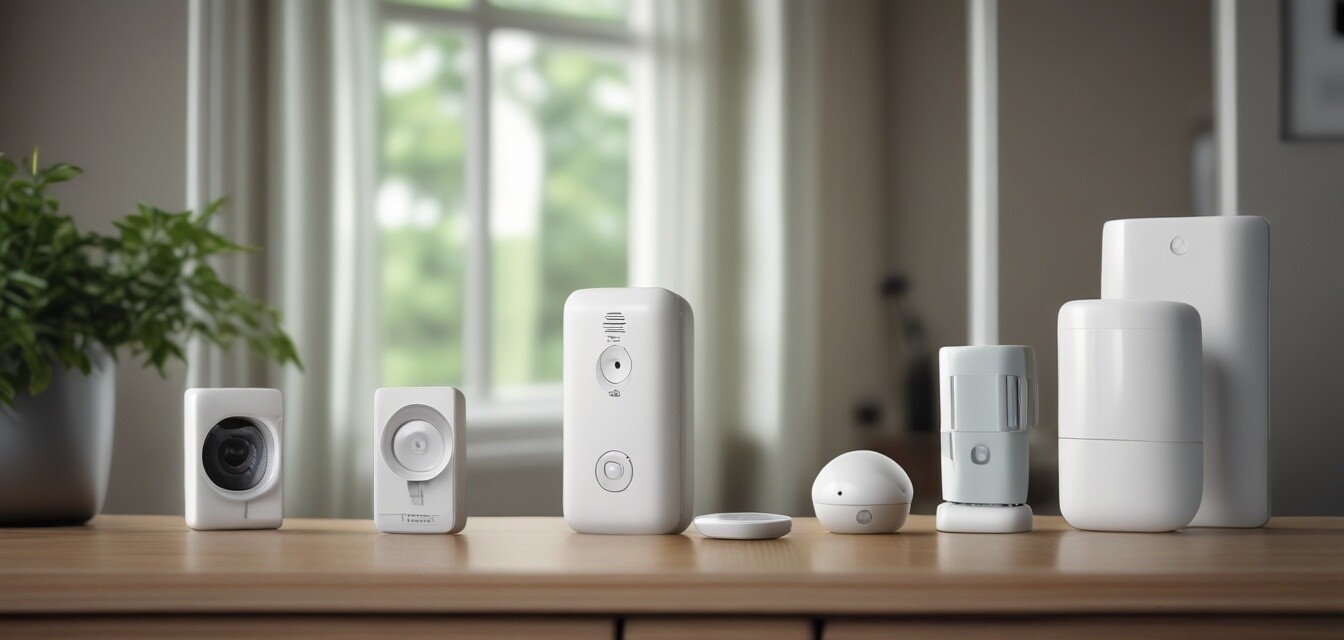
Essential Features to Look for in Smart Sensors
Key Takeaways
- Understanding the different types of smart sensors can enhance home security.
- Key features include connectivity, battery life, installation ease, and specific detection capabilities.
- Choosing the right sensor involves considering user needs and the environment of installation.
Smart sensors play a vital role in home security, acting as your first line of defense against intrusions and dangers. But with so many available options, how do you choose the right one? This guide will discuss the essential features to look for when selecting smart security sensors for your home.
Types of Smart Sensors
| Type | Description | Common Use |
|---|---|---|
| Motion Sensors | Detect movement within a specific area. | Intrusion detection |
| Door/Window Sensors | Monitor doors and windows for unauthorized openings. | Entry point security |
| Environmental Sensors | Detect environmental changes such as smoke, carbon monoxide, or water leaks. | Fire and flood prevention |
Key Features to Consider
1. Connectivity
Smart sensors generally connect to your home network via Wi-Fi or Zigbee protocols. Choose one that provides a stable connection and fits well with your existing systems. For further information, check our [Home automation hubs](/products/home-automation-hubs) section.
2. Battery Life
Long battery life ensures that your sensors remain operational without frequent replacements. Consider models with rechargeable batteries or those that are hardwired for continuous power, reducing maintenance needs.
3. Detection Capabilities
Different sensors are built for specific purposes. When shopping, think about what you need: Are you looking for motion detectors for indoor security, or do you need outdoor sensors that can withstand the elements? Explore our guide on [Automated alarm systems](/products/automated-alarm-systems) for a broader understanding of safety measures.
4. Installation Ease
How easy is it to install the sensors? Many smart sensors are designed for easy DIY installation, but some may require professional setup. Look for options that offer clear instructions and necessary mounting equipment.
5. Smart Integrations
Your smart sensors should ideally work seamlessly with other devices in your smart home ecosystem. This includes compatibility with platforms like Alexa or Google Assistant. Check our guide on [Smart lighting for security](/products/smart-lighting-for-security) for devices that can enhance the functionality of your sensors.
6. Alerts and Notifications
Real-time alerts through your smartphone or home assistant are crucial. Make sure the sensors you choose can notify you instantly of any unusual activities or alerts, keeping you informed even when you are away.
Comparing Popular Models
| Model | Connectivity | Battery Life | Alert System |
|---|---|---|---|
| Model A | Wi-Fi | 12 months | Push notifications |
| Model B | Zigbee | 24 months | Email and SMS notifications |
| Model C | Wi-Fi | 6 months | Push notifications |
Conclusion
Choosing the right smart sensor can significantly impact your home’s security. By focusing on connectivity, battery life, detection capabilities, installation ease, smart integrations, and alert systems, you can make informed decisions that will protect your home effectively. Remember to review our related resources, such as [Security cameras](/products/security-cameras) for visual monitoring and [Smart sensors](/products/smart-sensors) to broaden your smart home security system.
Pros
- Enhanced home security
- Convenient and user-friendly
- Real-time alerts keep you informed
Cons
- May require stable internet connection
- Some models can be pricey
Tips for Beginners
- Start with basic sensors before expanding your system.
- Research compatibility with your existing devices.
- Read reviews and user experiences to identify reliable models.