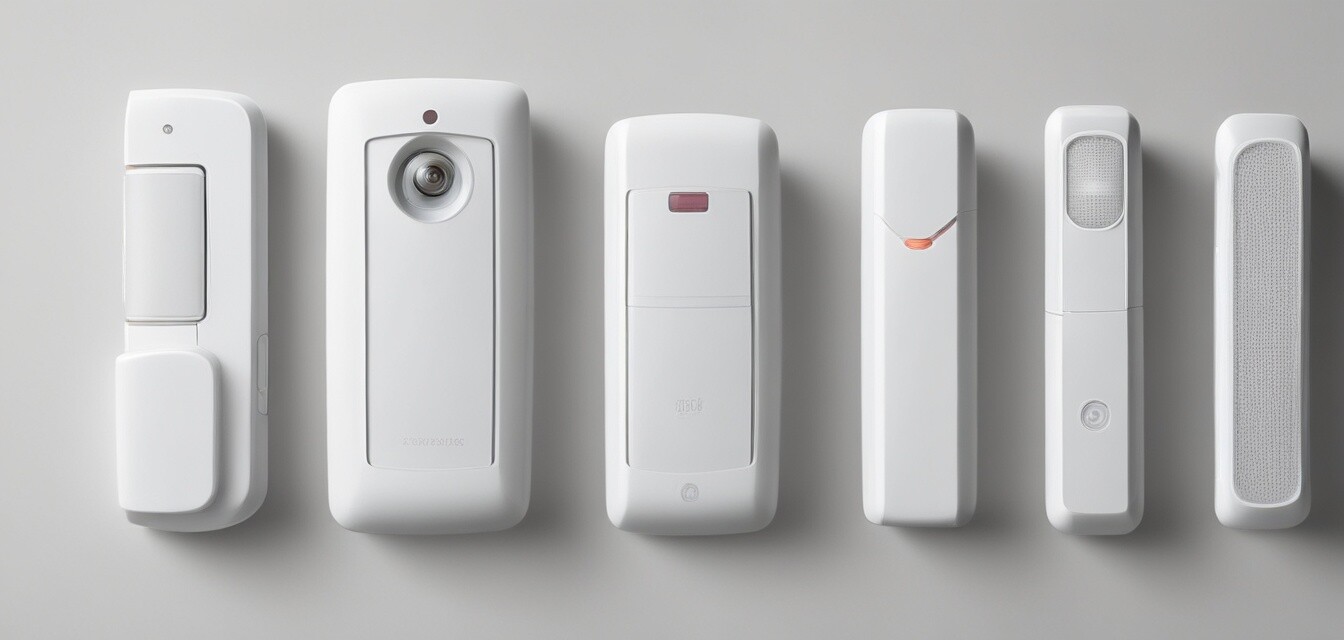
Home Security Sensors
Key Takeaways
- Home security sensors are crucial for enhancing safety.
- They come in various types including motion detectors, door/window sensors, and glass break sensors.
- Integration with smart home systems increases their efficiency.
- Regular maintenance and updates are essential for optimal performance.
Home security sensors are a fundamental component of modern security systems. They offer a first line of defense against potential threats, alerting homeowners to suspicious activities. This article delves into various types of home security sensors, their functions, and how they can significantly enhance your home's safety.
Types of Home Security Sensors
Understanding the different types of home security sensors is essential for choosing the right system for your needs. Below is a table summarizing the most common types:
| Type of Sensor | Function | Best Used For |
|---|---|---|
| Motion Detectors | Detects movement within a specified area. | Entryways, hallways, and large rooms. |
| Door/Window Sensors | Alerts when a door or window is opened. | Entry points and vulnerable windows. |
| Glass Break Sensors | Detects the sound of breaking glass. | Windows and glass doors. |
| Environmental Sensors | Monitors environmental changes (e.g., smoke, carbon monoxide). | Living areas, kitchens, and basements. |
Motion Detectors
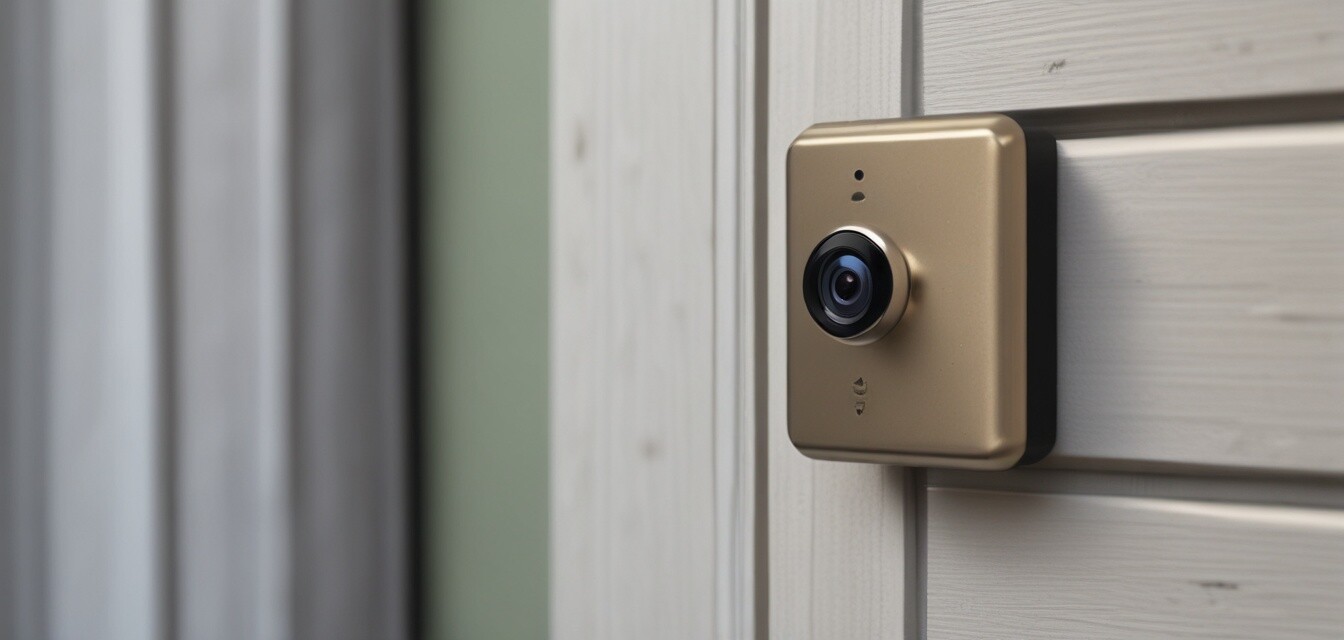
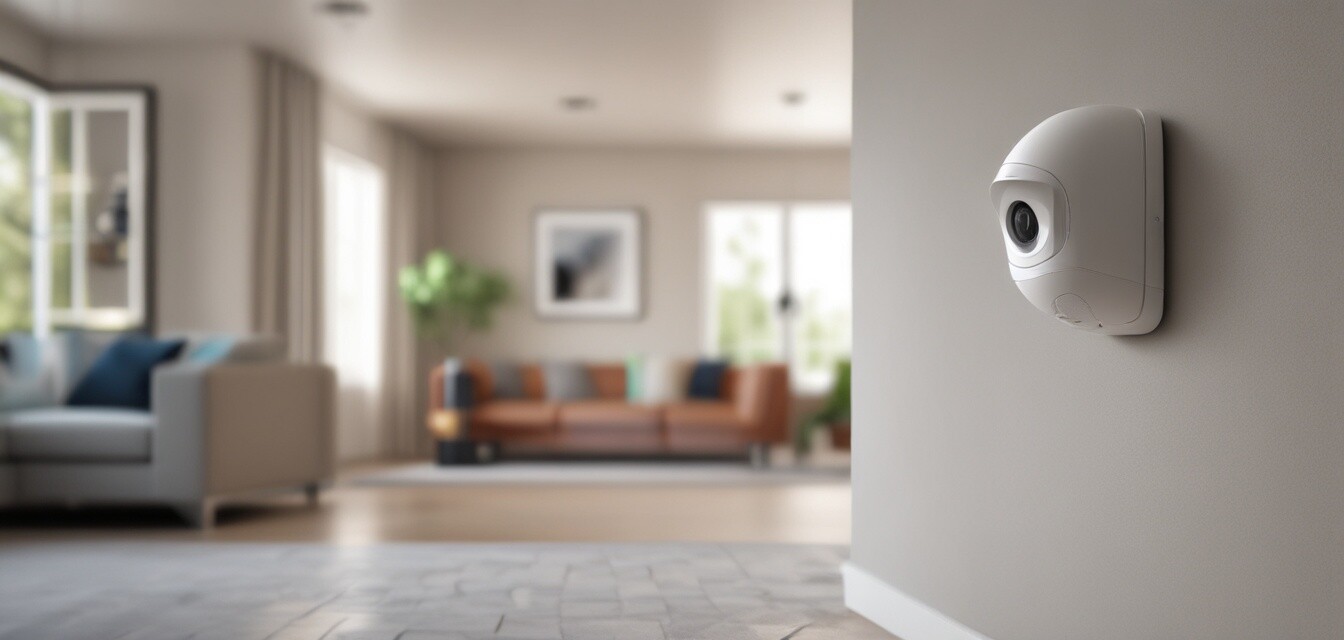
Motion detectors are versatile sensors that can cover large areas. They use infrared technology to detect heat emitted by moving objects. When integrated with a smart home system, they can trigger alarms or notifications, increasing your home's security.
Door and Window Sensors
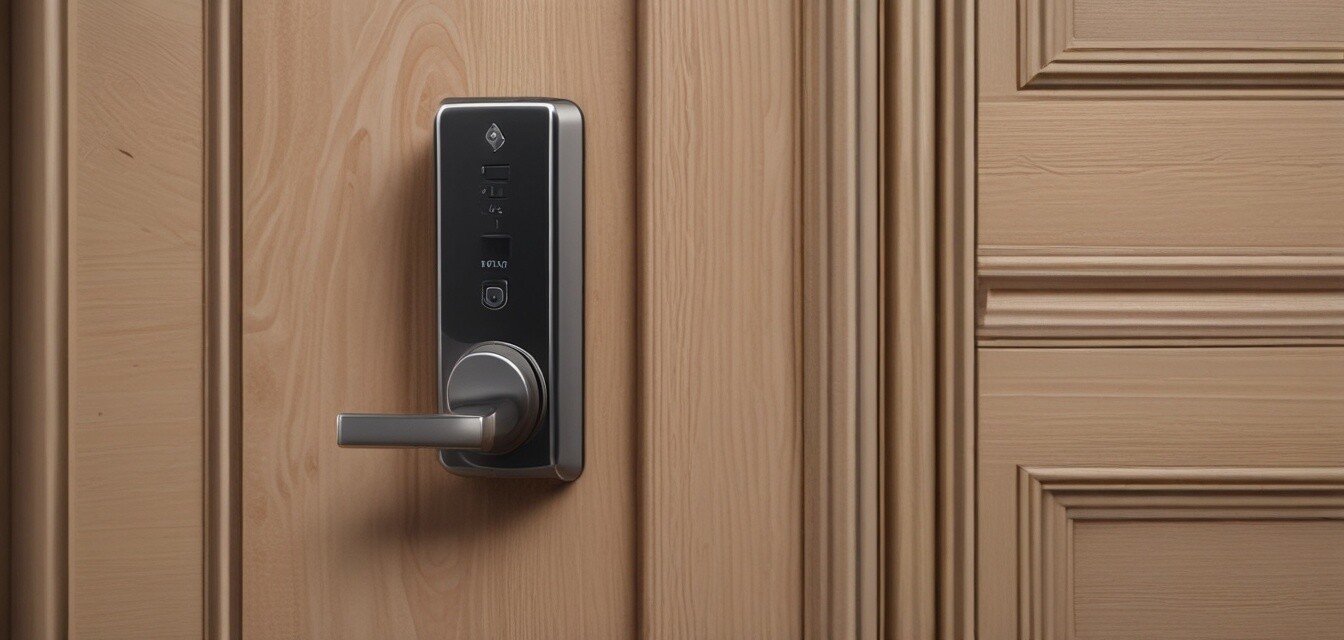
Door and window sensors are essential for monitoring entry points. These sensors typically consist of two parts: one attached to the door or window and the other to the frame. When the door or window opens, the two parts separate, triggering an alert.
Glass Break Sensors
Glass break sensors are specifically designed to detect the sound of breaking glass. They are beneficial in homes with large glass windows and doors, adding an extra layer of protection.
Environmental Sensors
Environmental sensors play a crucial role in protecting your home from hazards such as smoke and carbon monoxide. By notifying you of these dangers, they help you take immediate action to protect your family.
How Home Security Sensors Enhance Safety
Implementing a comprehensive security system that includes various sensors can dramatically improve your home's safety. Here are some ways they enhance security:
- Real-Time Alerts: Receive instant notifications on your smartphone when sensors are triggered.
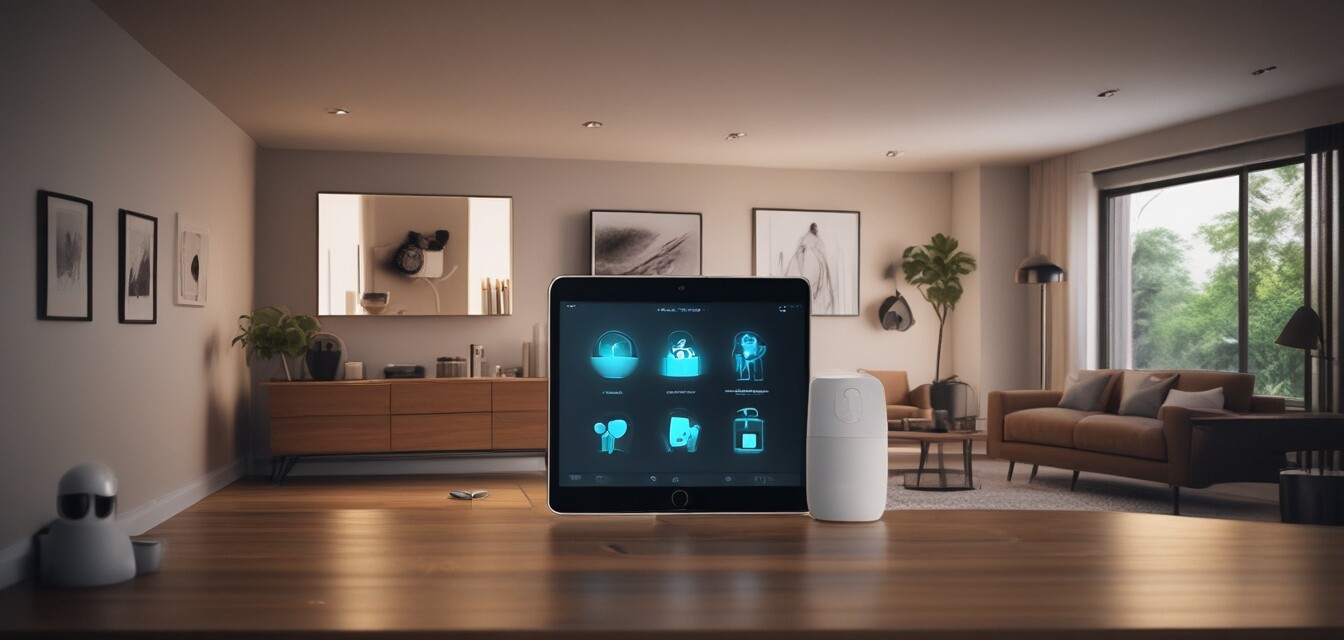
- Remote Monitoring: Monitor your home from anywhere and at any time through a mobile app.
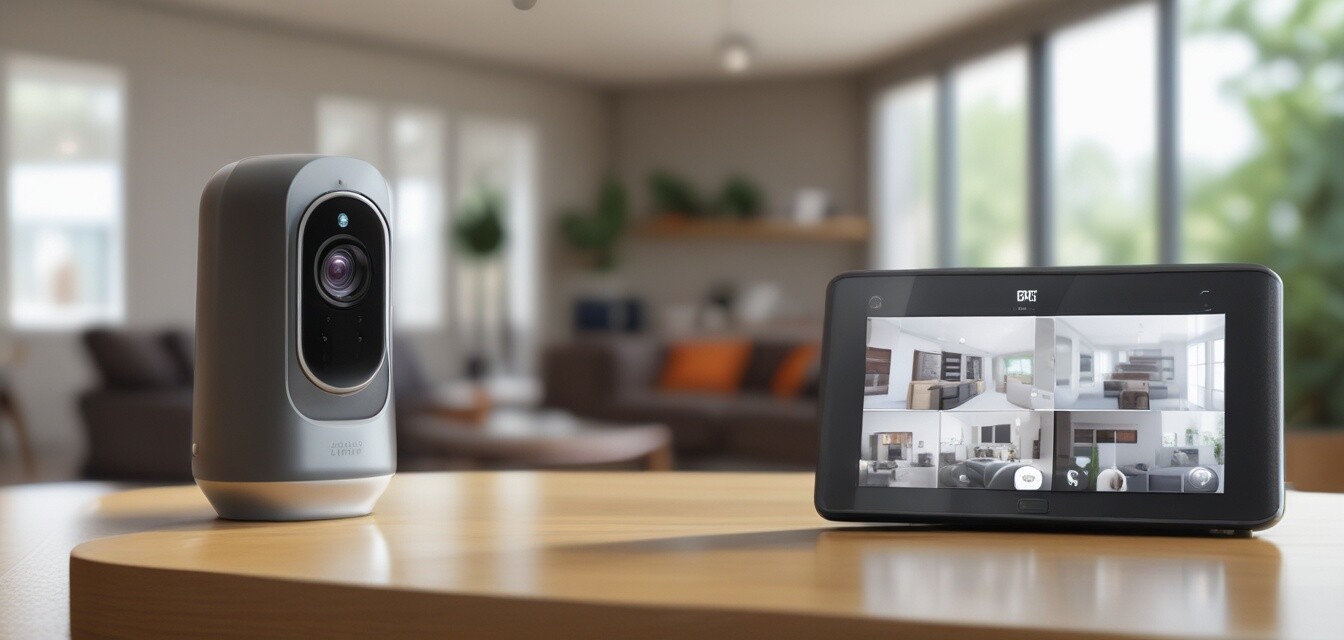
- Integration with Other Systems: Combine sensors with cameras and alarms for a cohesive security solution.
- Deterrence: Visible sensors can deter intruders from attempting to break in.
Choosing the Right Sensors
Selecting the right home security sensors depends on your specific needs and the layout of your home. Here are some tips to consider:
Tips for Choosing Home Security Sensors
- Assess your home’s vulnerabilities, such as entry points and areas with valuable assets.
- Consider a combination of sensor types for comprehensive coverage.
- Look for sensors that integrate well with your existing smart home systems.
- Check for features like battery backup and weather resistance if placing outdoors.
Installation and Maintenance
Proper installation and regular maintenance are key to ensuring the effectiveness of your security sensors. Here’s a brief guide:
- Choose the Right Location: Install sensors in areas where they can effectively monitor for intrusions.
- Follow Manufacturer Instructions: Always adhere to the installation guidelines provided by the manufacturer.
- Regular Testing: Routinely test the sensors to ensure they are functioning correctly.
- Battery Replacement: Replace batteries as recommended to avoid sensor failure.
Conclusion
Home security sensors are vital for protecting your home and loved ones. By understanding the different types available and how they function, you can create a robust security system tailored to your needs. Regular maintenance and thoughtful integration with other smart home devices will ensure your security measures remain effective.
Pros
- Increased security and peace of mind.
- Real-time notifications keep you informed.
- Integration with smart home systems enhances functionality.
- Variety of sensors allows for customized solutions.
Cons
- Initial setup costs can be high.
- Some sensors may require regular maintenance.
- False alarms can occur if not properly calibrated.
Further Reading
For more information on home security systems, check out these articles: