Smart Home Security Cameras
Key Takeaways
- Understanding camera types is crucial for effective home security.
- Consider installation options: wired vs. wireless.
- Features like night vision, motion detection, and cloud storage enhance security.
- Integration with home automation systems can provide added convenience.
- Regular maintenance and updates are essential for ongoing effectiveness.
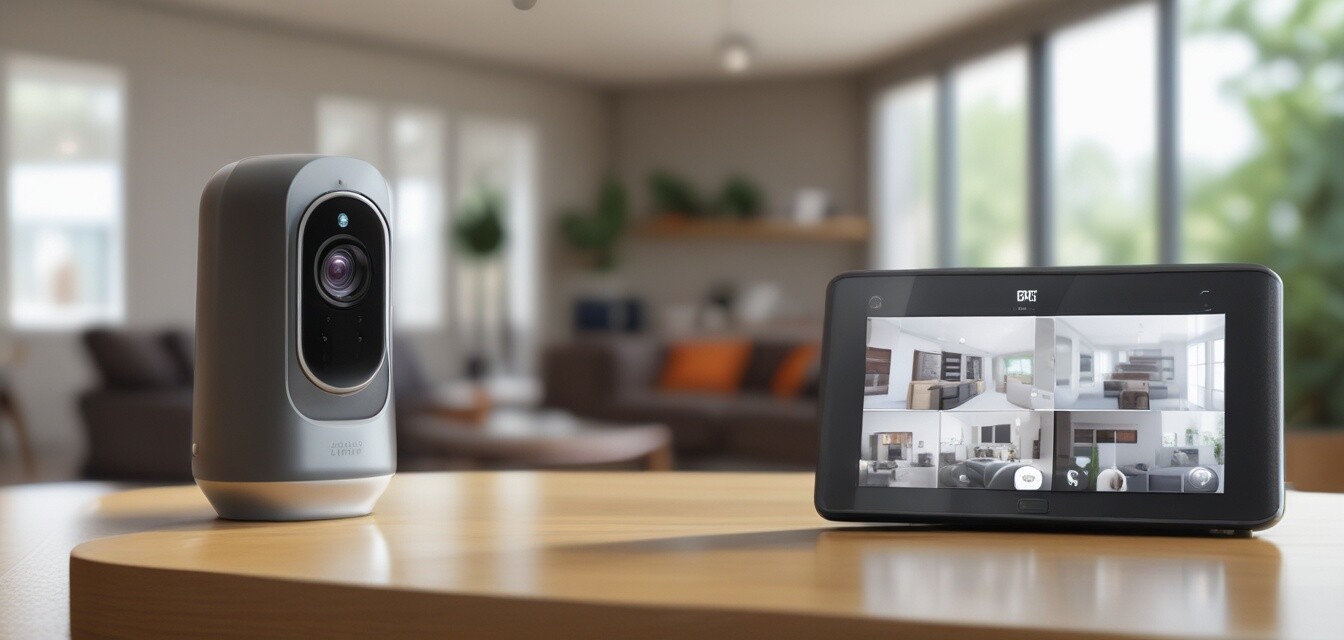
Home security cameras are an essential part of modern smart home security systems. They provide homeowners with the ability to monitor their property in real-time, offering peace of mind whether they're at home or away. This comprehensive guide will help you understand the different types of smart home security cameras, their features, and how to select and install them for optimal security.
Types of Smart Home Security Cameras
| Camera Type | Description | Ideal Use Case |
|---|---|---|
| Indoor Cameras | Designed for monitoring activities inside the home. | Living rooms, nurseries, and home offices. |
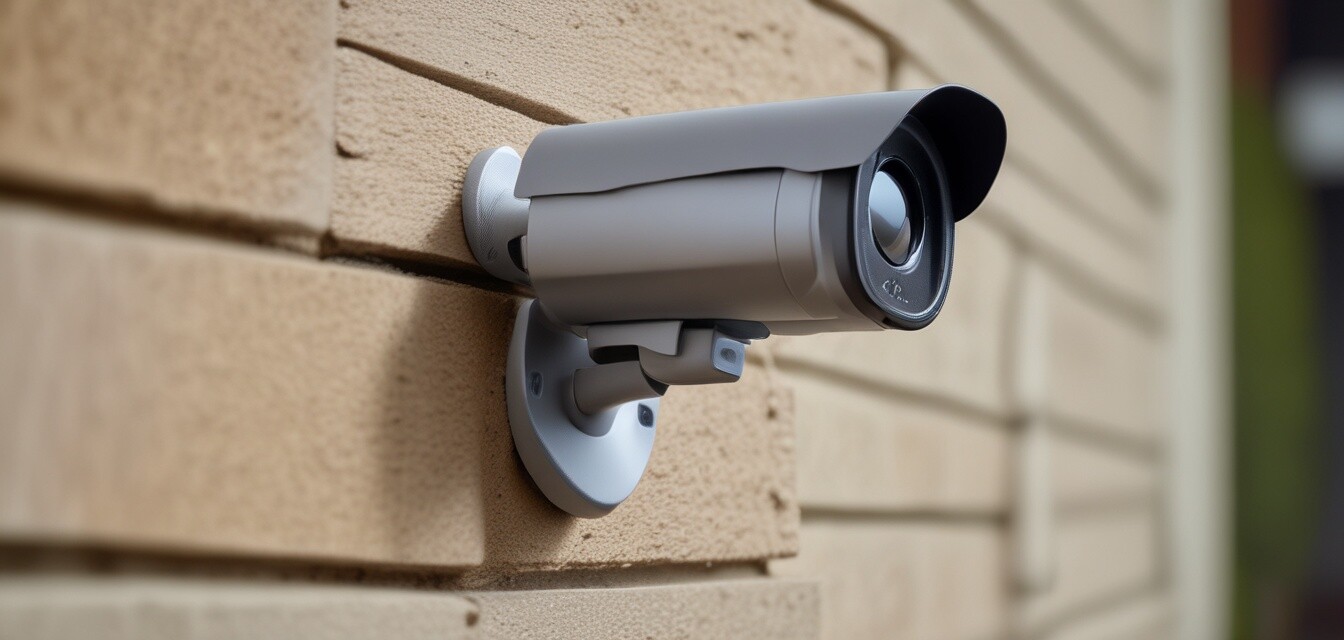
| Outdoor Cameras | Weatherproof and equipped with features to capture clear images outside. | Driveways, backyards, and entry points. |
| P/T/Z Cameras | Pan, tilt, and zoom functionality for flexible monitoring. | Large areas requiring extensive coverage. |
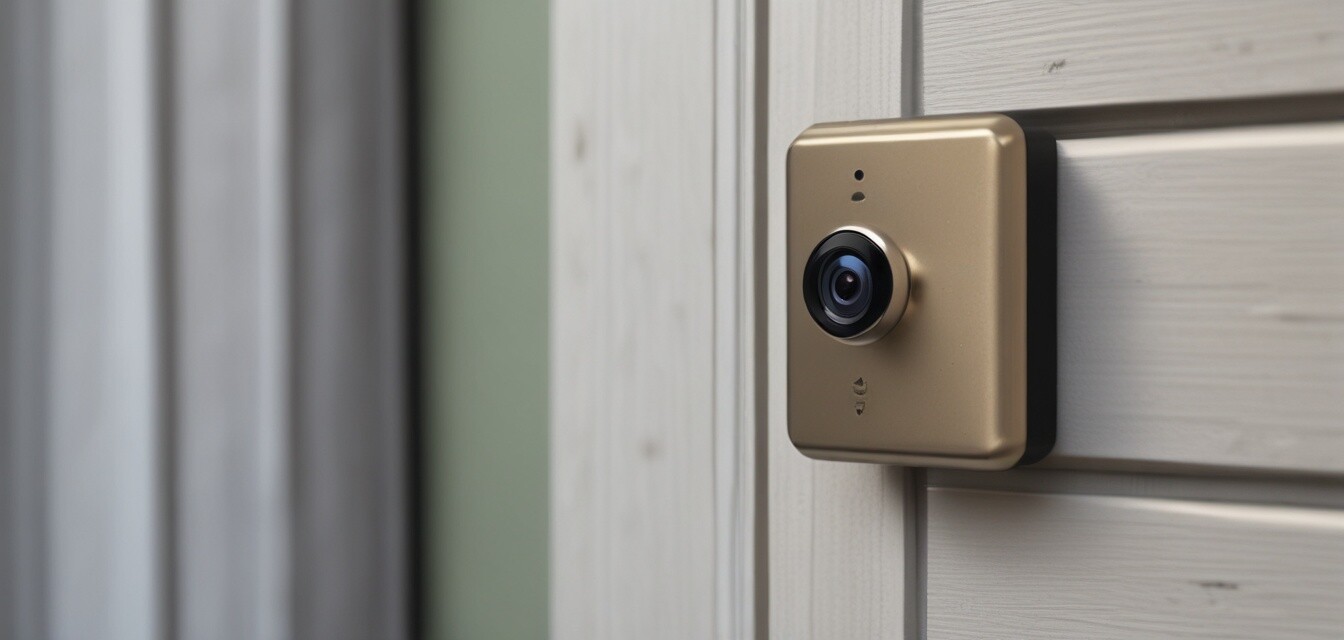
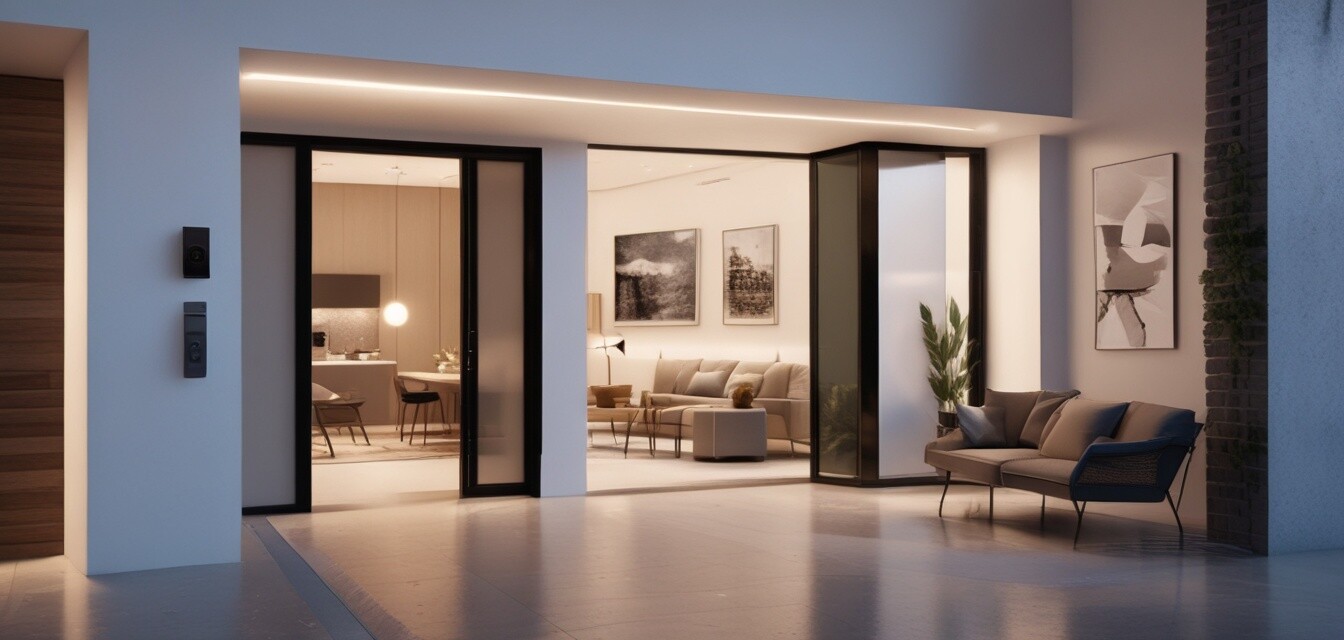
| Doorbell Cameras | Integrated with doorbells to monitor who is at the door. | Main entrances and front doors. |
Features to Consider
- Night Vision: Essential for monitoring in low light conditions.
- Motion Detection: Alerts you to movement, enhancing security.
- Cloud Storage: Allows for easy access to recorded footage.
- Two-Way Audio: Enables communication through the camera.
- Smart Home Integration: Compatibility with other smart devices.
Installation Options
When it comes to installation, you have two main options: wired and wireless. Each has its pros and cons:
Pros of Wired Cameras
- Stable connection without interference.
- Generally offers better video quality.
- Does not require battery replacements.
Cons of Wired Cameras
- More difficult to install.
- Not as flexible in terms of placement.
- Requires drilling and wiring.
Pros of Wireless Cameras
- Easy installation and relocation.
- Flexible positioning options.
- Less intrusive with no visible wires.
Cons of Wireless Cameras
- Can be affected by Wi-Fi interference.
- Batteries may need frequent replacement.
- Potential for reduced video quality.
Integration with Smart Home Systems
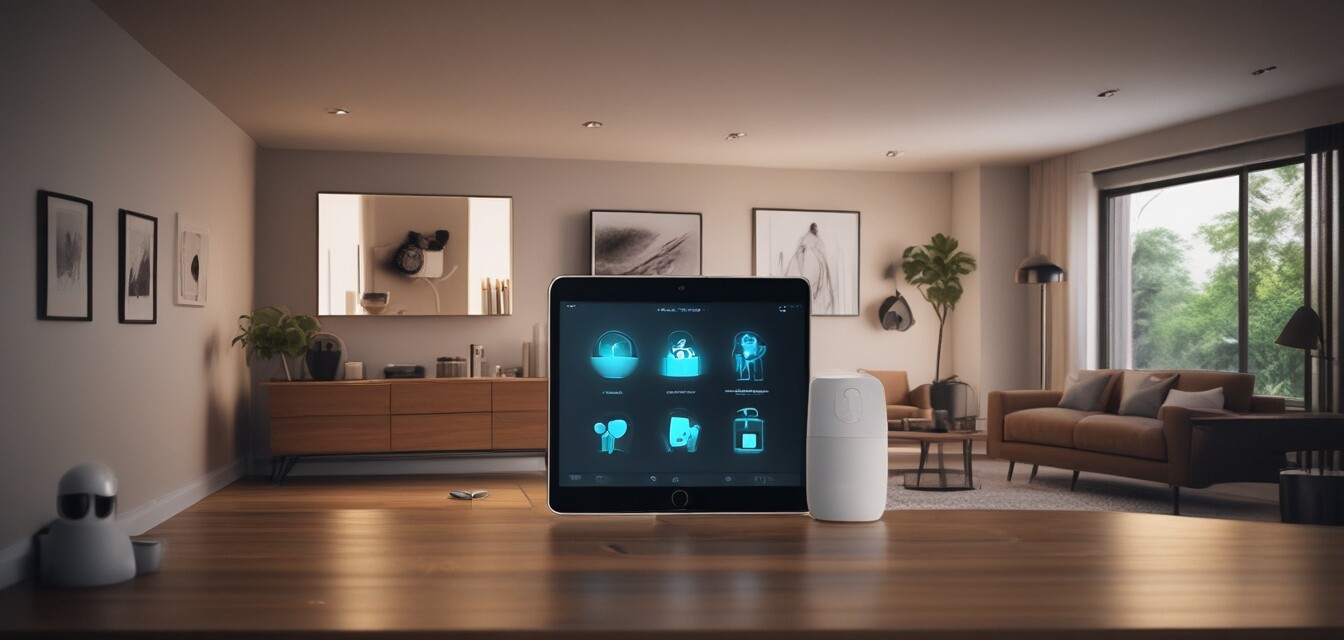
Smart home security cameras can be integrated with various home automation hubs to create a cohesive security system. This integration allows for:
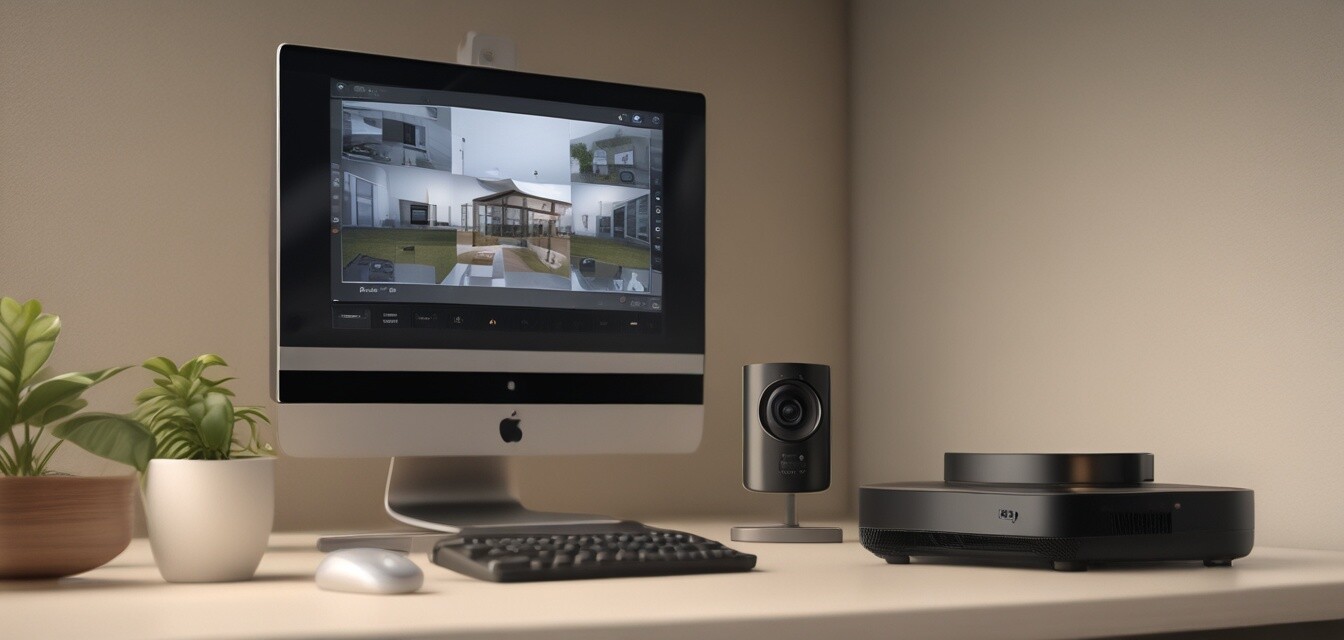
- Remote monitoring via smartphones or tablets.
- Automated alerts for suspicious activity.
- Seamless control with voice commands.
Popular Home Automation Hubs
| Hub Name | Compatibility | Features |
|---|---|---|
| Amazon Echo | Alexa compatible devices | Voice control, routines, and music playback. |
| Google Nest Hub | Google Assistant compatible devices | Voice control, touchscreen interface, and smart display. |
| Samsung SmartThings | Multiple brands and protocols | Custom automations and extensive device compatibility. |
Maintenance and Updates
To ensure that your smart home security cameras function optimally, regular maintenance is necessary. Here are some tips:
Tips for Maintaining Your Cameras
- Check camera lenses and clean them regularly.
- Update firmware to enhance features and security.
- Test all functionalities periodically to ensure they are working.
- Adjust positioning as necessary to avoid obstructions.
Conclusion
Choosing and installing smart home security cameras is a vital step in protecting your home. By understanding the different types of cameras, their features, installation options, and how they integrate with home automation systems, you can make an informed decision that best suits your security needs. For more information on home automation hubs and other security systems, you can explore our other product categories:
- Access Control Systems
- Automated Alarm Systems
- Home Automation Hubs
- Smart Lighting for Security
- Smart Sensors
Additional Resources
For those looking to enhance their home security further, consider researching smart lighting options that can deter potential intruders or smart sensors that provide alerts about unusual activity. Happy securing!