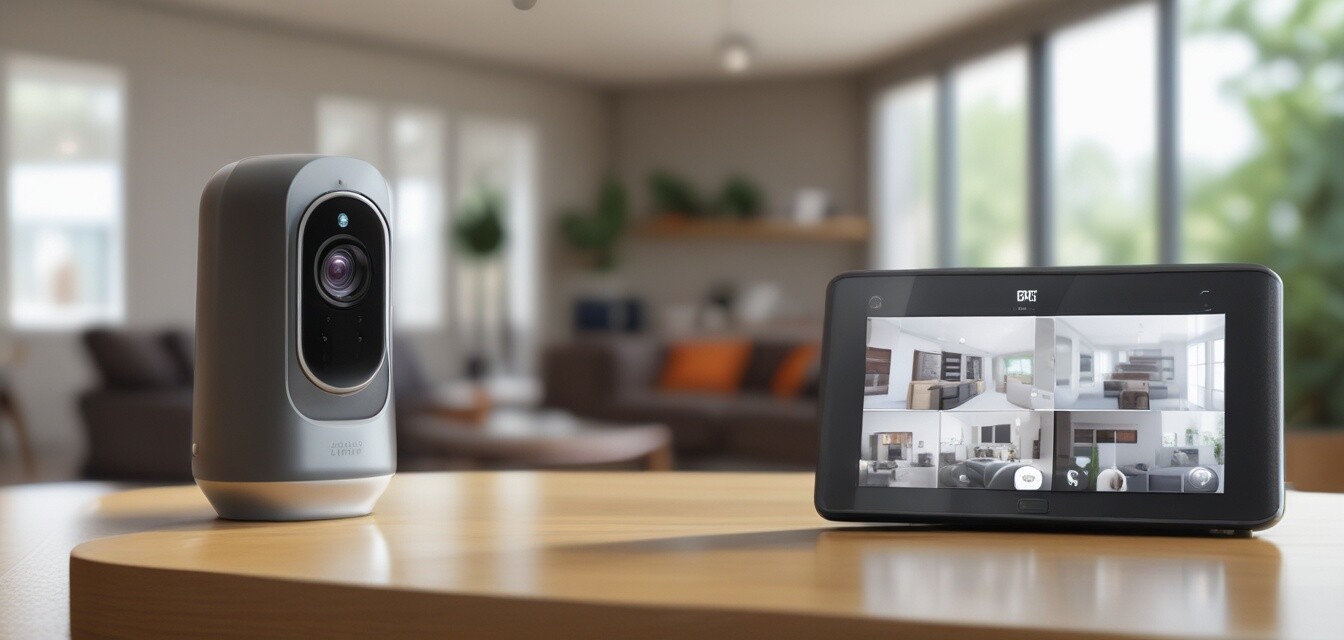
Wireless vs. Wired Systems
Key Takeaways
- Wireless systems offer flexibility and easier installation.
- Wired systems provide stability and potentially lower long-term costs.
- Consider your property layout and security needs when choosing a system.
In the world of home security, one major consideration is whether to choose wireless or wired systems. Each solution has its advantages and drawbacks, and understanding these can greatly improve your home's security. In this article, we'll compare wireless and wired security systems and help you determine which one is ideal for your needs.
Overview of Wireless and Wired Systems
Wireless Systems
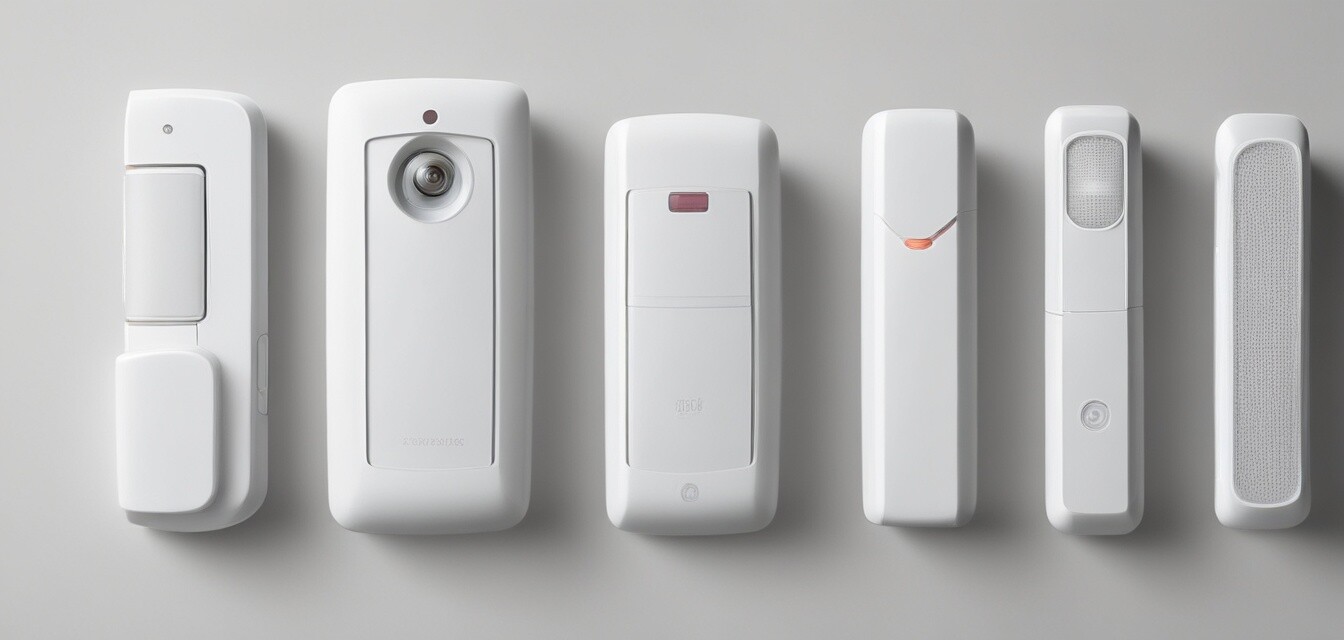
Wireless security systems utilize radio frequency signals to communicate between devices, making them easier to install and move if necessary. These systems often come with features such as remote access via apps and integration with smart home technologies.
Wired Systems
Wired security systems rely on physical cabling to connect multiple components. While installation can be complex, these systems typically offer enhanced reliability and security, as they are not subject to interference.
Comparison of Wireless and Wired Security Systems
| Feature | Wireless Systems | Wired Systems |
|---|---|---|
| Installation | Easy installation, no professional help needed. | Complex installation; usually requires professionals. |
| Cost | Higher upfront cost, but lower long-term maintenance costs. | Lower upfront cost, but may incur higher maintenance. |
| Reliability | Can be affected by interference and signal issues. | Highly reliable, no signal loss. |
| Flexibility | Highly flexible; can be relocated easily. | Less flexible; relocation is complicated. |
| Integration | Often integrates easily with smart home systems. | Limited integration capabilities. |
Advantages of Wireless Security Systems
Pros
- Quick and easy installation.
- Mobility and versatility.
- Smart home integration capabilities.
- Expandable options for future upgrades.
- No need for extensive cabling.
Cons
- Potential signal interference.
- Could require battery replacements.
- Risk of hacking if not secured properly.
Advantages of Wired Security Systems
Pros
- Highly reliable and stable.
- Lower ongoing costs after installation.
- Less vulnerability to hacking.
- No need for batteries; powered continuously.
- Consistent video and audio quality.
Cons
- Installation can be expensive and complicated.
- Limited flexibility for changes and upgrades.
- More time-consuming to set up.
Choosing the Right System for Your Needs
When deciding between wireless and wired systems, consider the following factors:
- Property Size: Larger properties may benefit from the flexibility of wireless systems.
- Budget: Evaluate both initial and long-term costs based on your financial situation.
- Security Needs: Determine how critical security is based on the value of assets.
- Installation Location: Locations that are difficult to wire may be better suited for wireless solutions.
Conclusion
Wireless and wired systems each offer unique benefits. Wireless systems tend to be flexible and user-friendly, making them ideal for renters or those needing simpler installations. On the other hand, wired systems continue to appeal to those who prioritize reliability and long-term cost-effectiveness. Ultimately, your choice will depend on your specific security needs and the characteristics of your home.
Further Reading
To learn more about specific components of each system, check out these links:
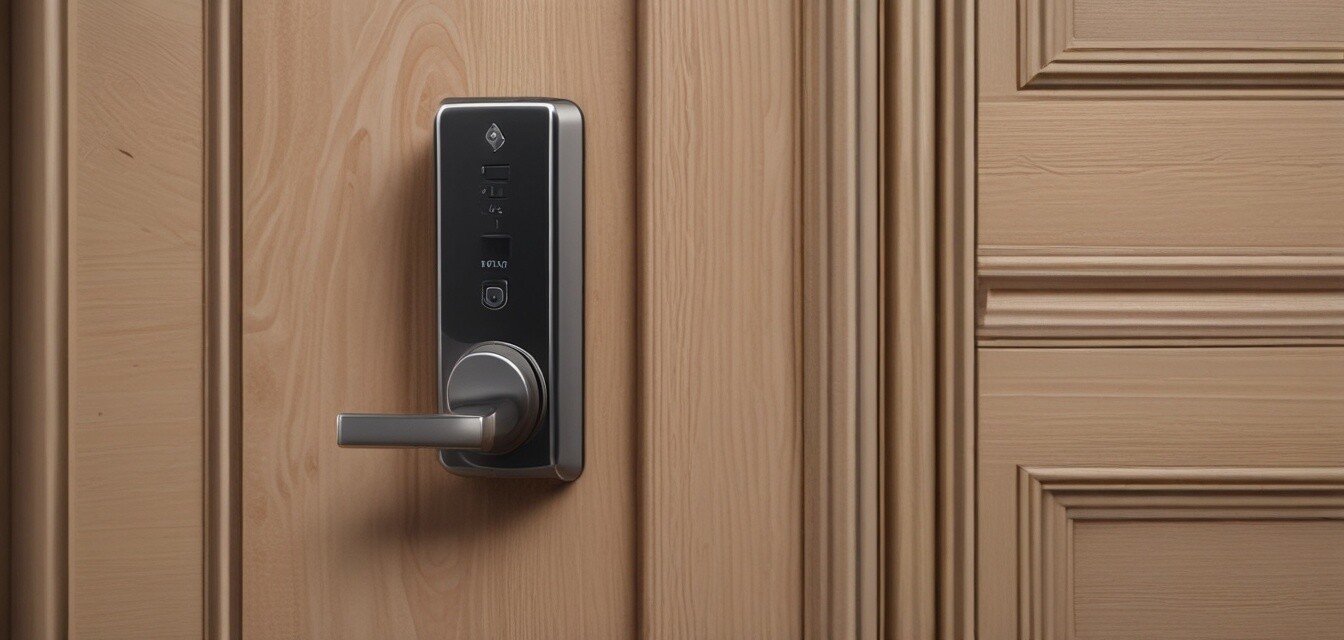
- Access control systems
- Automated alarm systems
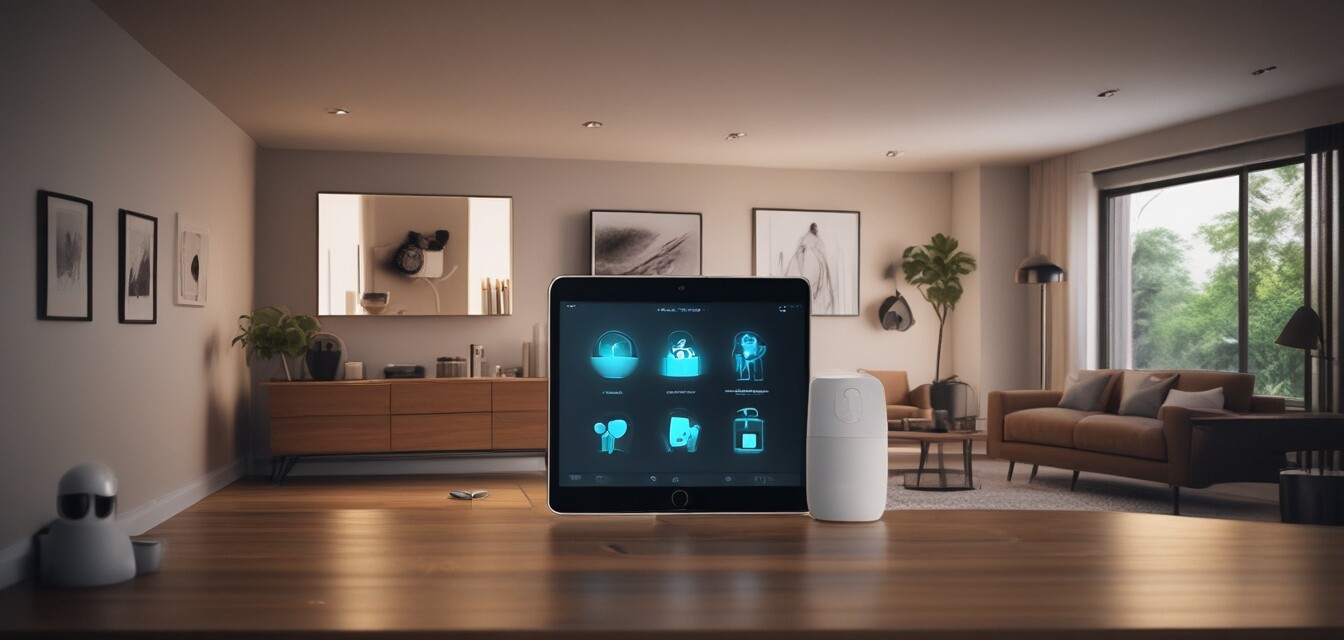
- Home automation hubs
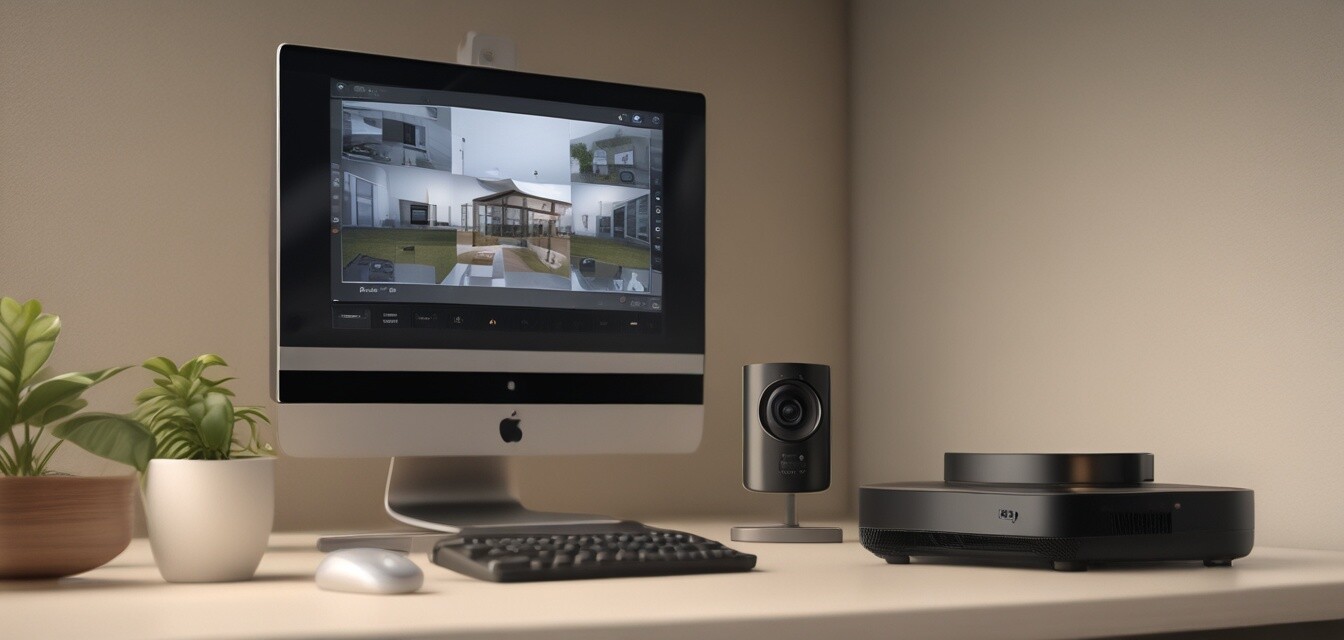
- Security cameras
- Smart lighting for security

We hope this detailed comparison helps you make an informed decision on your home security system!