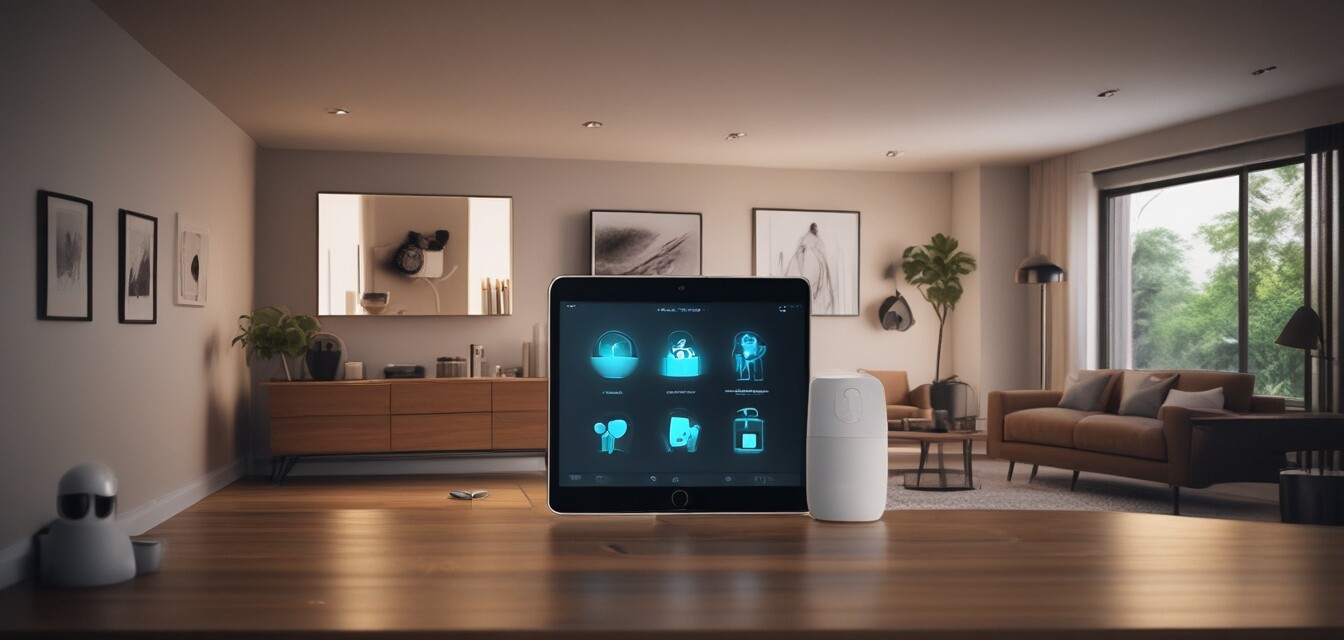
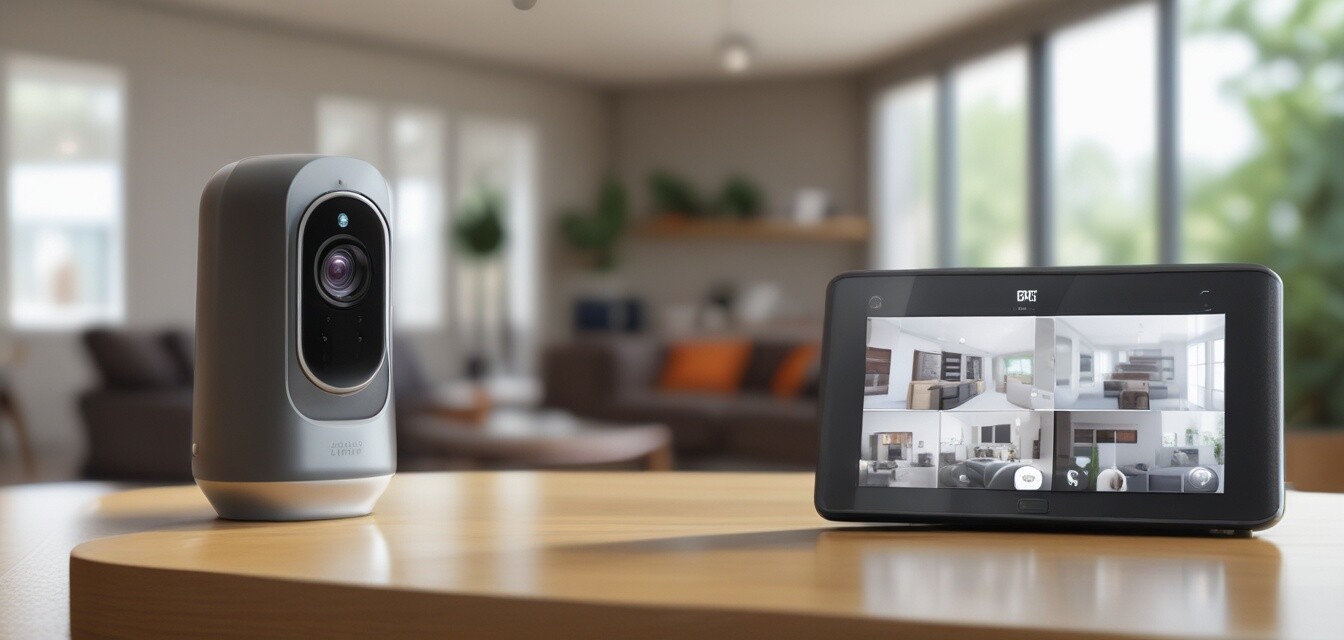
Home Security Hubs
Key Takeaways
- Home security hubs serve as the central control point for all smart security devices.
- They facilitate communication between disparate devices, creating a unified security system.
- Advanced features include remote access, automation, and alerts for enhanced safety.
- Integration with home automation systems allows for more efficient energy usage.
- Choosing the right hub can impact both the functionality and performance of your home security setup.
Home security hubs play a critical role in modern smart home environments, offering homeowners a centralized way to manage security systems and enabling seamless communication between different devices. In this article, we will delve into the fundamentals of home security hubs and how they integrate into broader home security systems.
What is a Home Security Hub?
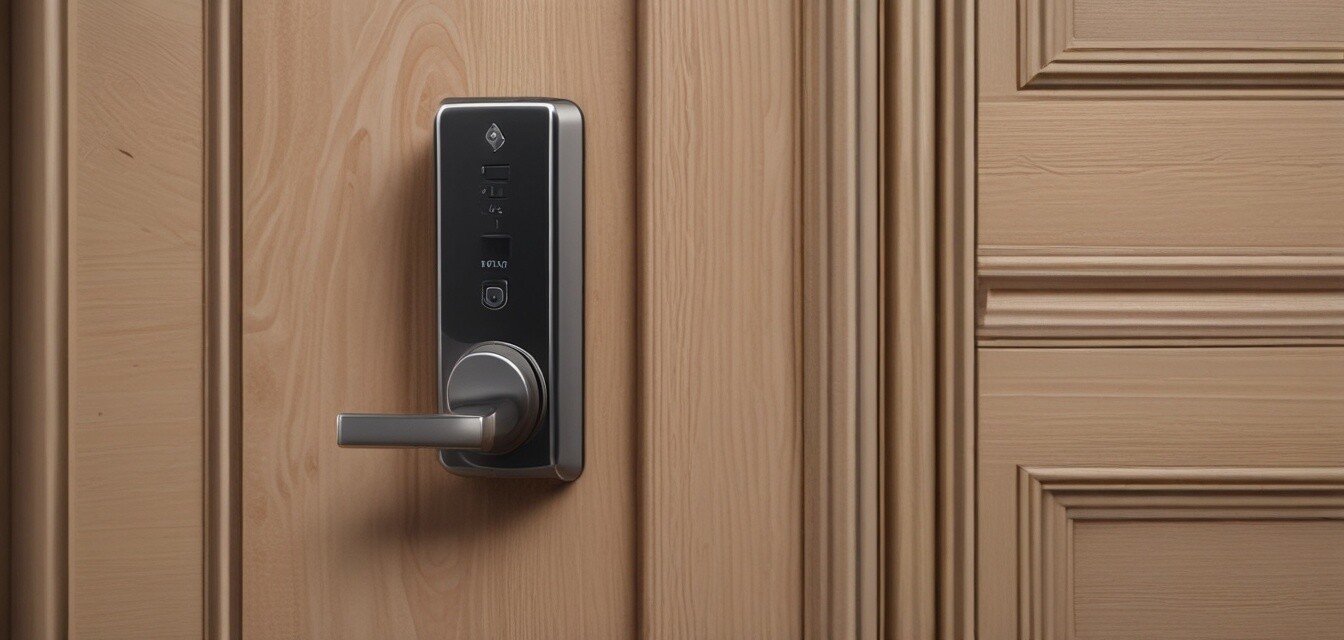
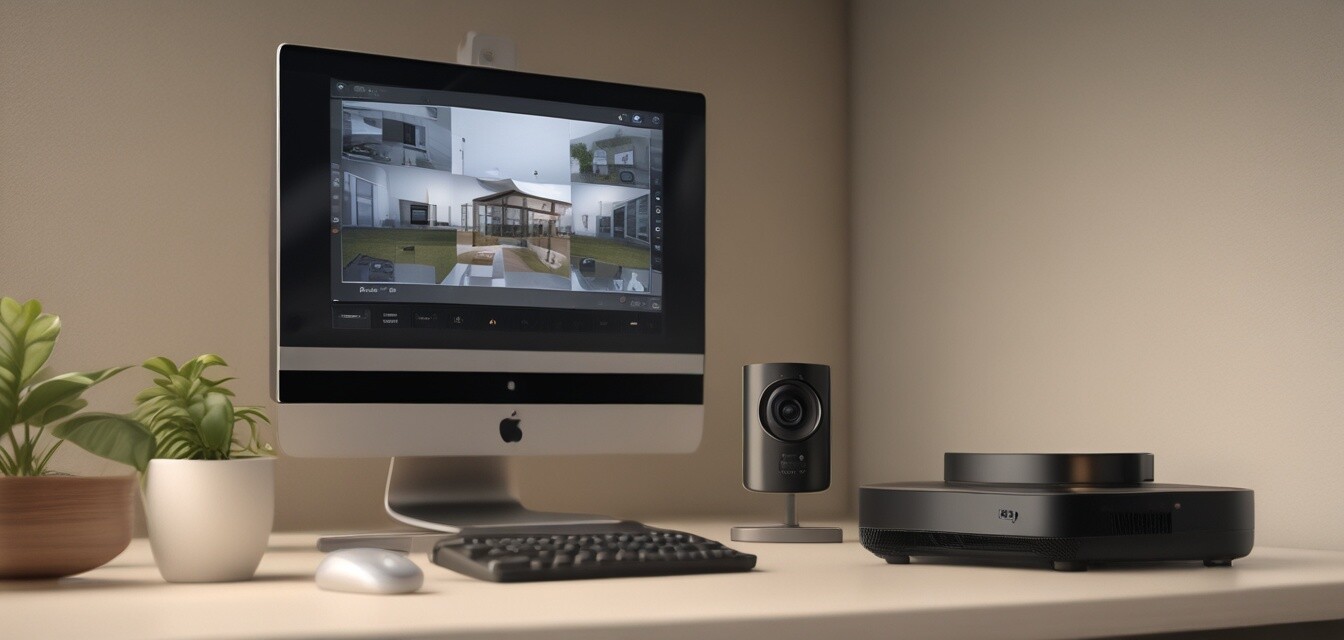
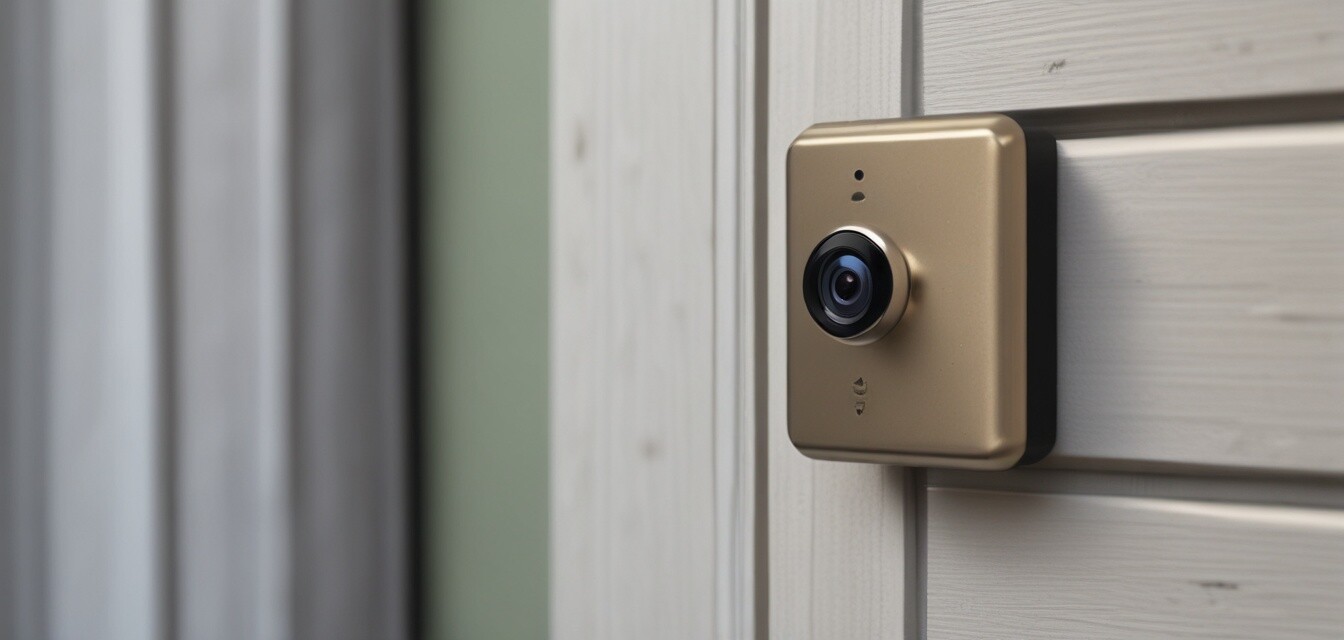
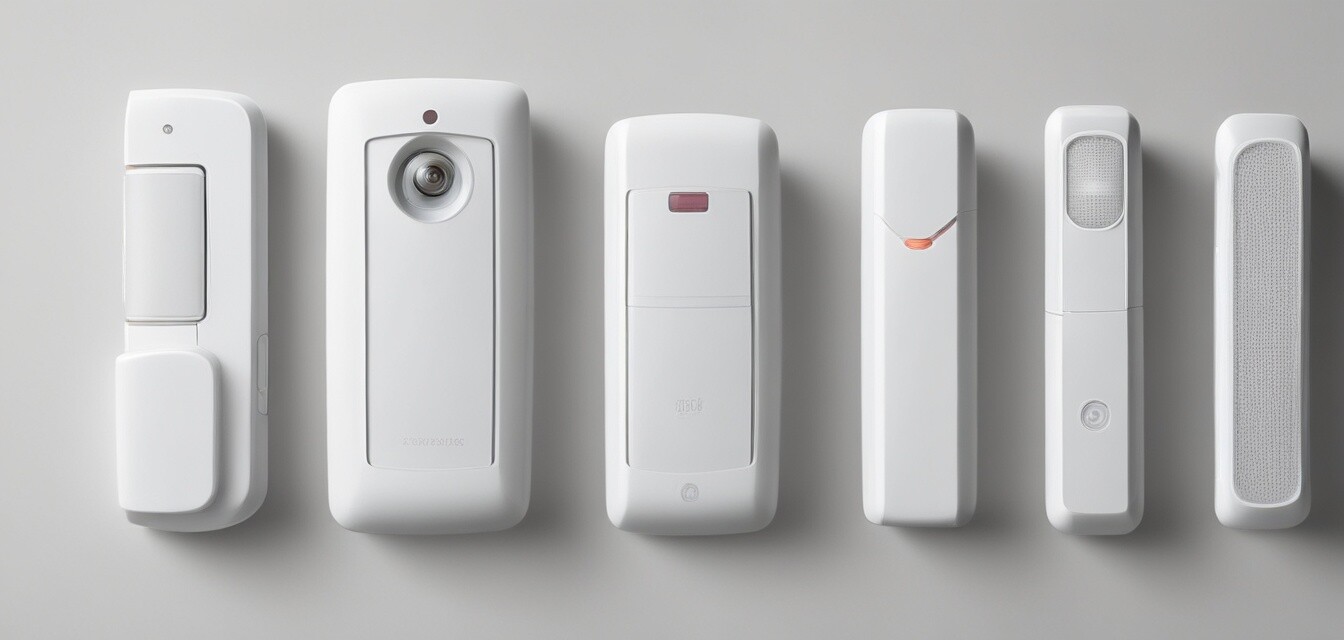
A home security hub is a device that acts as the central point of control for your home security devices. This includes security cameras, door/window sensors, motion detectors, and smart locks. By acting as a command center, they allow users to monitor and control their security devices from one location, usually via a smartphone app or a web interface.
- Hub functionality:
- Controls multiple devices
- Automates routines
- Provides notifications and alerts
- Integrates with home automation
How Do Home Security Hubs Work?
| Functionality | Description |
|---|---|
| Device Management | Allows users to manage and monitor connected devices from a single interface. |
| Remote Access | Enables users to monitor their property and control devices from anywhere. |
| Automation | Sets routines for device interactions, enhancing security measures. |
Types of Home Security Hubs
Home security hubs come in various forms, tailored to meet different needs and specifications. Here are the most common types:
- Dedicated Security Hubs: Specifically designed for security applications.
- Smart Home Hubs: Multi-functional devices that manage various smart home devices, including security elements.
- Gateway Systems: Often features built-in control for network communication.

Benefits of Using a Home Security Hub
Pros
- Streamlined device management
- Remote access to security features
- Enhanced automation capabilities
- Improved safety through real-time alerts
Cons
- Initial setup can be complex for some users
- Potential compatibility issues with certain devices
- Dependence on Wi-Fi or internet connection
Choosing the Right Home Security Hub
Selecting the ideal hub for your home can significantly affect your overall security experience. Consider the following factors:
- Device Compatibility: Ensure the hub is compatible with your existing devices or the devices you plan to acquire.
- Features: Look for features that match your home security needs, such as automation and remote access capabilities.
- User Interface: Opt for a hub with an intuitive interface for ease of use.

Integration with Other Smart Devices
Home security hubs not only control security devices but also integrate with other smart devices in your house. This allows for a cohesive smart home ecosystem. Here is how they can work with other devices:
| Device Type | Integration Benefit |
|---|---|
| Smart Lights | Can trigger lights to turn on/off during specific security events. |
| Smart Thermostats | Can adjust heating/cooling based on security routines. |
| Voice Assistants | Allows for voice-activated control of security systems. |
Final Thoughts on Home Security Hubs
Home security hubs are vital components in creating a connected and secure smart home. They not only enhance security but also bring convenience and automation into your daily life. By considering factors such as compatibility and features, homeowners can select the best hub for their needs, ultimately leading to a safer living environment.
Tips for Beginners
- Start with one or two devices and gradually expand your system.
- Choose a hub that fits within your technology comfort level.
- Read user reviews and product comparisons before making a purchase.